
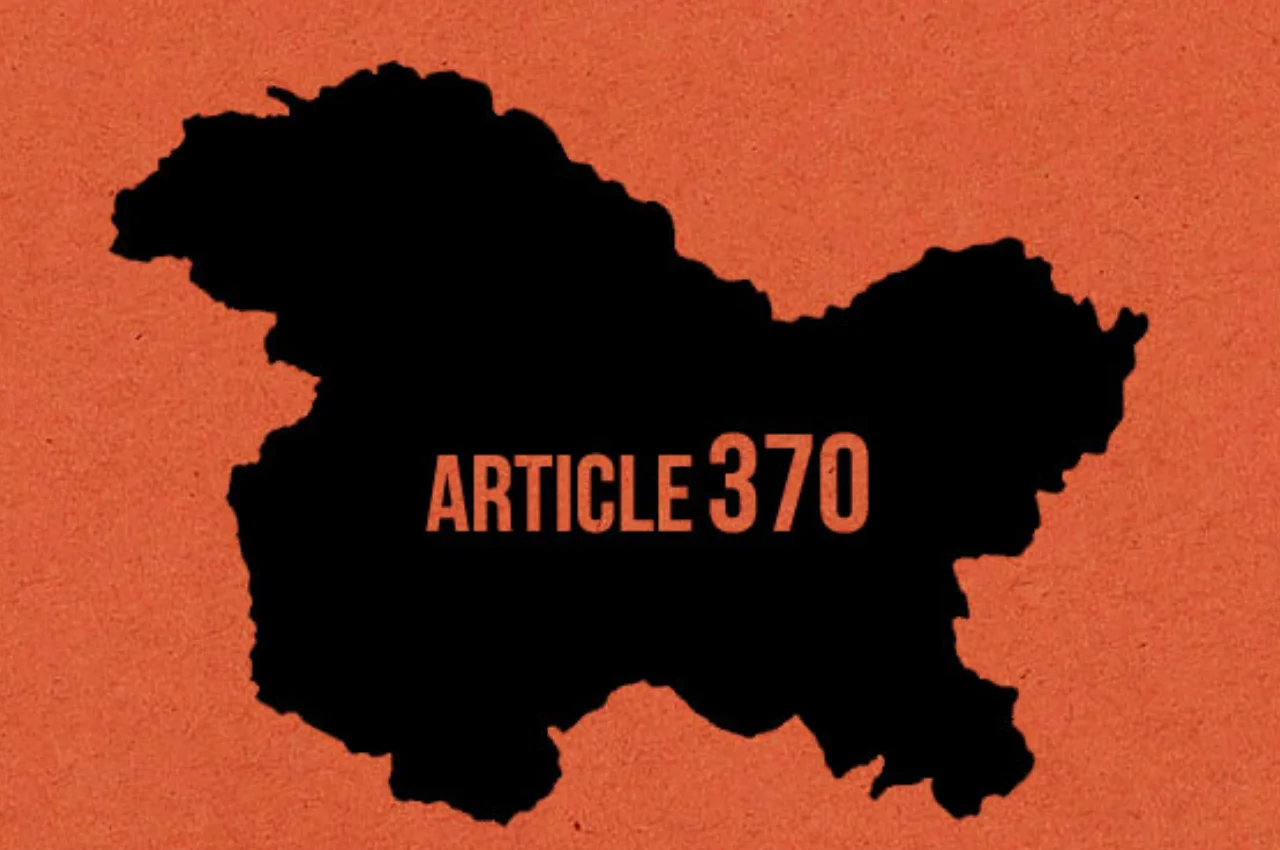
Article 370 was a provision in the Indian Constitution that granted special autonomous status to the state of Jammu and Kashmir.
Introduced in 1949, Article 370 allowed Jammu and Kashmir to have its own constitution, separate laws in many areas, and special administrative arrangements. The provision was included due to the unique historical and political circumstances surrounding the state’s accession to India.
For decades, Article 370 remained one of the most debated constitutional provisions in India. Supporters viewed it as an important constitutional commitment, while others argued that it created administrative and legal differences between Jammu and Kashmir and the rest of the country.
On August 5, 2019, the Government of India revoked the special status under Article 370 through parliamentary action. Jammu and Kashmir was subsequently reorganized into two Union Territories: Jammu and Kashmir, and Ladakh.
The removal of Article 370 marked a major constitutional and political development in modern India. Its impact continues to be discussed in relation to governance, federalism, development, security, and constitutional law.
Sources of Information: Google, Online News Portals