
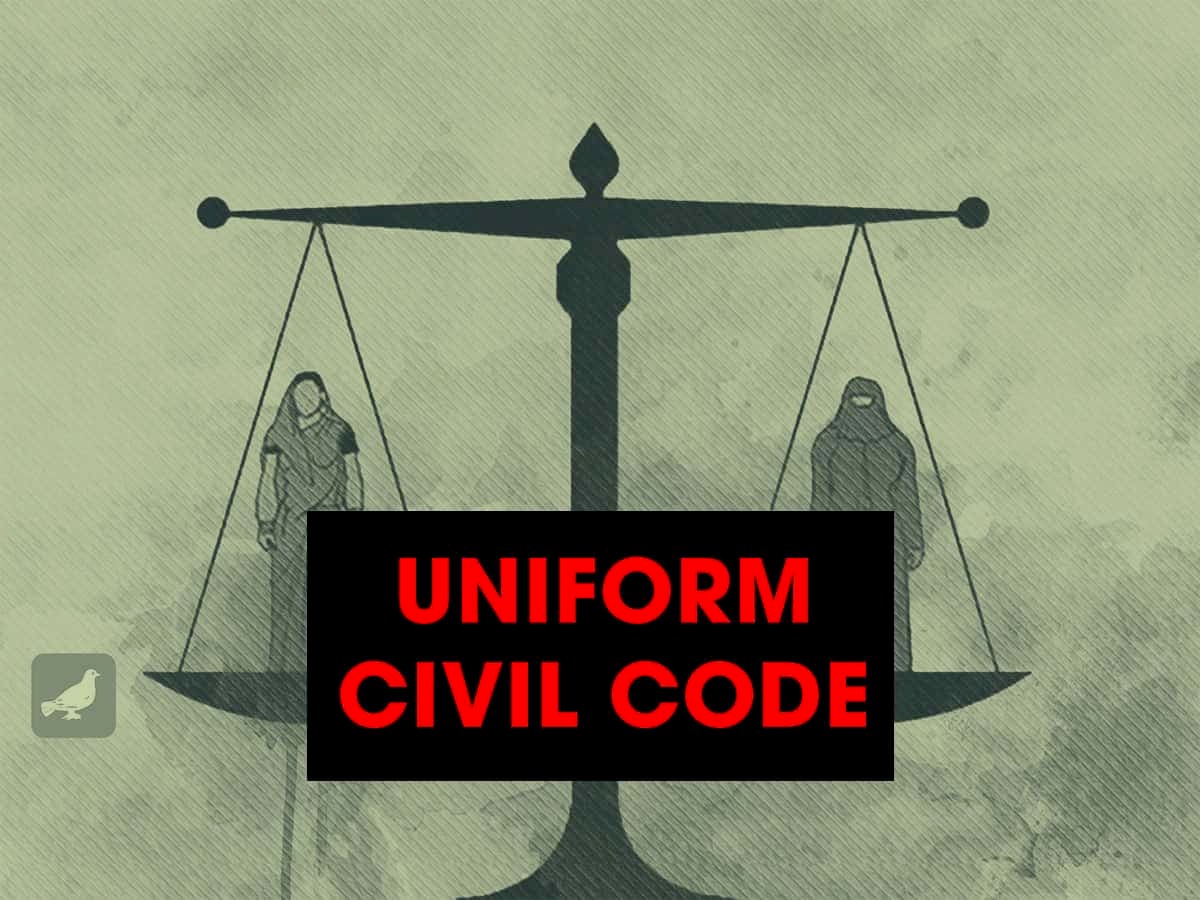
The Uniform Civil Code (UCC) is one of India’s most debated legal reforms. Simply put, it seeks to create a common set of civil laws for all citizens, regardless of religion, covering areas such as marriage, divorce, inheritance, adoption, and succession.
The idea is not new. Article 44 of the Indian Constitution, included in the Directive Principles of State Policy in 1950, encourages the State to work towards a Uniform Civil Code. The objective is to ensure equality before law and reduce differences arising from religion-based personal laws.
Supporters argue that UCC promotes gender justice, equal rights, and legal uniformity. Critics, however, believe it may affect religious customs and personal laws followed by different communities. Several political parties, religious organizations, and civil society groups have expressed differing views on the subject.
As of June 2026:
- Uttarakhand — First state in independent India to implement UCC (effective January 2025).
- Gujarat — Passed the UCC Bill in March 2026, becoming the second state to adopt a UCC framework.
- Assam — The Assam Assembly adopted the Uniform Civil Code in May 2026, making it the third state to do so.
States such as Madhya Pradesh have announced plans and committees for UCC implementation, but have not yet fully implemented it as of June 2026
Sources of Information: Google, Online News Portals